



Finding AI Training for Dental Assistants: A Comprehensive Guide
Explore various resources and platforms for discovering AI training tailored for dental assistants. Enhance your skills with the latest technology and improve your dental practice.

Zunkiree Labs Team
The Growing Need for AI in Dentistry
Artificial intelligence (AI) is revolutionizing many industries, including healthcare. In the dental field, AI tools are being developed to improve diagnostics, patient experience, and operational efficiency. Notably, AI technology can analyze imaging data faster and more accurately than traditional methods, providing dentists with better insights during examinations. As the demand for tech-savvy professionals increases, dental assistants are urged to embrace this change. Training in AI can broaden their skill set, making them invaluable assets to their practices. From managing patient data efficiently — such as utilizing predictive analytics to recognize patterns that indicate issues before they become severe — to predicting treatment outcomes with higher accuracy, AI training equips dental assistants with the necessary tools to thrive in an evolving workspace. This commitment to technology not only enhances personalized care but also streamlines practice operations, making the incorporation of AI training into a dental assistant's skillset crucial for future employment.
Online Learning Platforms Offering AI Training
One of the most accessible ways to obtain AI training specific to dental assistance is through online learning platforms. Websites such as Coursera and Udemy offer a variety of courses focused on AI in healthcare, including specialized programs tailored for dental professionals. These MOOCs (Massive Open Online Courses) can be taken at your own pace and often feature interactive components such as quizzes and community discussions, which foster an engaging learning environment. For instance, courses may cover essential topics like AI applications in radiology, treatment planning, and patient management systems—all crucial aspects of modern dental practice. Enrolling in these courses allows dental assistants to learn from industry experts, who provide insights into how AI technologies function and can be applied effectively in dental settings. Additionally, these platforms allow for networking with peers, creating a communal space for sharing experiences and ideas related to AI integration in their practices.
University and College Programs
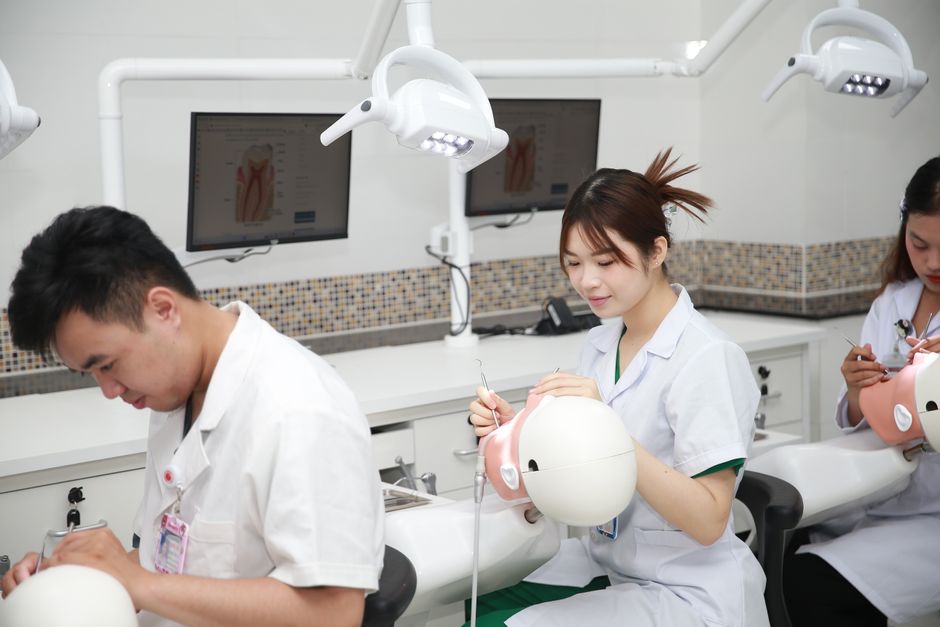
In addition to online platforms, several universities and colleges are now incorporating AI training into their dental assistant programs. Institutions are recognizing the importance of technology in modern practices and are evolving their curricula to meet these new demands. For instance, some programs offer hybrid courses that blend classroom learning with practical healthcare simulations, providing students with real-world scenarios where they can apply AI concepts. Furthermore, these academic programs often invite guest speakers from successful AI companies or dental technology firms, giving students firsthand insights into the current industry landscape and the future directions of AI in dentistry. Establishing connections with educational institutions is a fruitful way for aspiring dental assistants to explore AI training directly linked to their career paths. This academic foundation not only enhances their qualifications but also prepares them to step confidently into a technologically advanced workplace.
Workshops and Conferences
Attending workshops and conferences focused on dental technology and AI can be an effective way to gain hands-on training and meet professionals in the field. These events present valuable opportunities to explore various AI tools available for dental assistants, including cutting-edge software for imaging and efficient patient records management. Networking at these conferences often leads to resources and contacts that can be beneficial for further learning and career advancement. Many industry leaders host sessions that provide live demonstrations of real-time applications of AI, enabling participants to grasp the technology’s practical significance and its applicability in daily operations. Additionally, local associations or dental health organizations frequently sponsor these events, making it worthwhile for dental assistants to check their calendars for upcoming workshops that will enhance their knowledge base and skill set in AI.
Resource Centers and Blogs
Several online resource centers and health technology blogs provide valuable insights into AI's role in dentistry, making them indispensable tools for ongoing education. Websites dedicated to dental innovations frequently publish articles discussing new AI tools and training programs available to dental professionals. A prominent resource site is Zunkiree Labs, which offers in-depth explorations of products and solutions aimed at enhancing dental assistant proficiency with AI. Moreover, blogs discussing the 'State of AI in Nepal' or tracking innovations among 'Top Tech Companies' can provide a contextual backdrop, helping professionals understand the broader implications and evolution of this technology within the dental sector. Following these resources regularly helps dental assistants stay updated with the latest trends and training opportunities in AI, enabling them to continuously integrate new knowledge into their practices, thus ensuring they remain competitive in a rapidly advancing field.
Investing in Continuous Learning
The realm of dental assistance and AI is progressing rapidly, making continuous learning an essential investment for professionals in the field. The commitment to ongoing education not only ensures that dental assistants remain competitive but also equips them with the knowledge necessary to leverage new techniques and technologies effectively. Incorporating AI training into personal development plans can encompass a variety of learning formats, including formal classes through accredited programs, online self-study through curated resources, or professional literature that explores innovations and advancements in dental AI. Setting personal learning objectives for mastering AI tools encourages a proactive approach to professional growth. Additionally, seeking mentorship opportunities or engaging in peer-to-peer learning creates a culture of growth and adaptability that is vital in today’s dental environment. Remember, the goal is not merely to learn about AI tools, but to integrate them effectively into everyday practice, ultimately elevating patient care and enhancing operational workflow within dental practices.
FAQ topics to cover
- What are the benefits of AI training for dental assistants?
- How can AI improve dental practice operations?
Suggested internal links
Comparing AI Training Options for Dental Assistants
As dental assistants look to enhance their skills with AI training, they have a few paths to consider. Online learning platforms and university programs offer different benefits depending on the assistant's needs and learning style. Here’s a closer look at these options.
| Feature | Alternative | This Option |
|---|---|---|
| Delivery Method | Structured classroom and hybrid courses with scheduled sessions | Self-paced online courses available 24/7 |
| Learning Environment | Hands-on simulations and real-world applications in clinical settings | Interactive components like quizzes and discussions |
| Flexibility | Less flexible due to fixed class times and program schedules | Highly flexible, accommodating different schedules |
| Networking Opportunities | In-person interactions with instructors and fellow students | Online peer discussions and forums |
Why is AI training important for dental assistants?
AI training is crucial for dental assistants because it enables them to embrace the technological advancements revolutionizing the dental field, making them invaluable assets. It broadens their skill set, allowing them to efficiently manage patient data and predict treatment outcomes with higher accuracy.
What types of online platforms offer AI training for dental assistants?
Online learning platforms like Coursera and Udemy offer a variety of AI training courses specifically tailored for dental professionals. These courses can be taken at one's own pace and include interactive components, covering essential topics like AI applications in radiology and patient management.
How do university programs integrate AI training in their dental assistant curricula?
Many universities and colleges are evolving their dental assistant programs to include AI training, recognizing the importance of technology in modern practices. Some programs offer hybrid courses that combine classroom learning with practical simulations, providing students hands-on experience with AI concepts.
What benefits does AI training provide in a dental practice?
AI training enhances personalized care and streamlines practice operations by equipping dental assistants with tools that improve diagnostics, patient experience, and operational efficiency. This training helps recognize issues early and predicts treatment outcomes, improving overall practice effectiveness.
What skills can dental assistants gain from AI training?
Dental assistants can gain skills in managing patient data through predictive analytics, understanding AI applications in treatment planning, and utilizing various patient management systems effectively, all of which are essential for adapting to modern dental practices.